Winning competitions was the easy part. Finding a market was harder.
What started as a series of sustainability data challenges became an attempt to find out whether those problems could exist outside a competition.
It started with competitions
In 2021 and 2022, I was part of a small team competing in national and international data science challenges, mostly around sustainability and public-impact problems.
We worked on everything from mobility and waste to street safety, biodiversity and ESG.
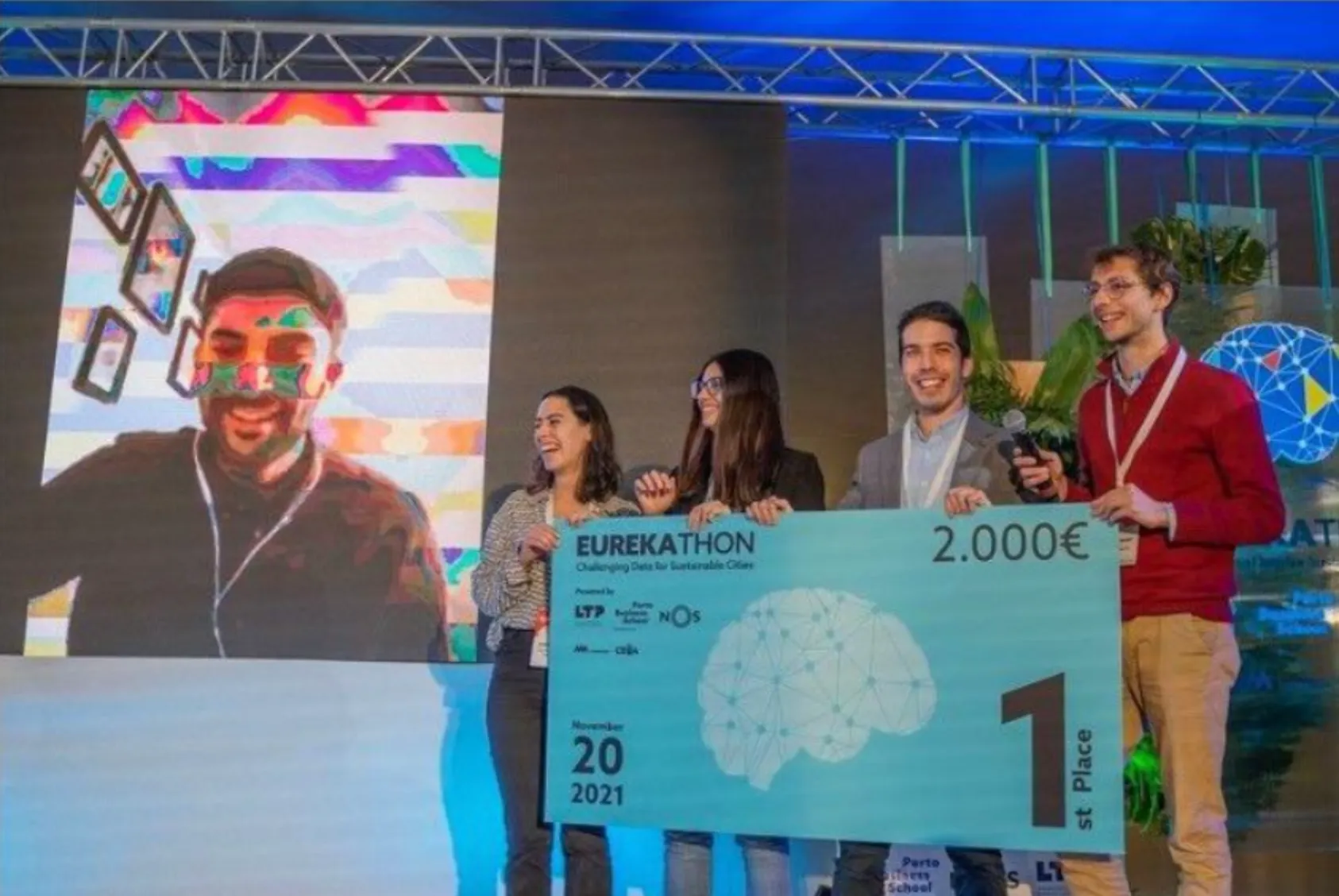
The first big result came at Eurekathon 2021, where we won with a data-driven solution focused on improving the adoption and efficiency of soft mobility in Matosinhos.
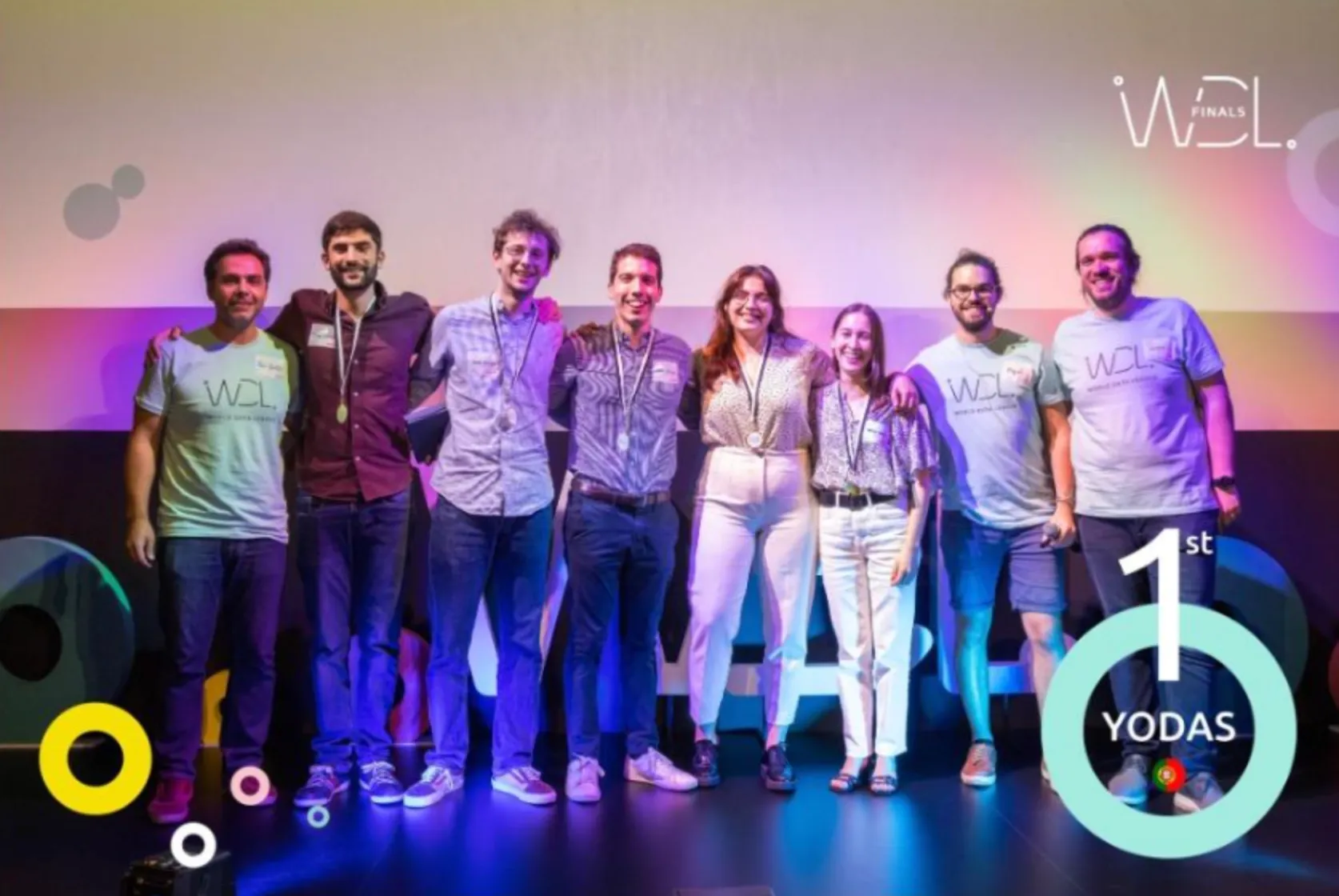
Then, in 2022, we won the World Data League, a four-month international competition with 50 teams from 36 countries and several sustainability-focused stages.
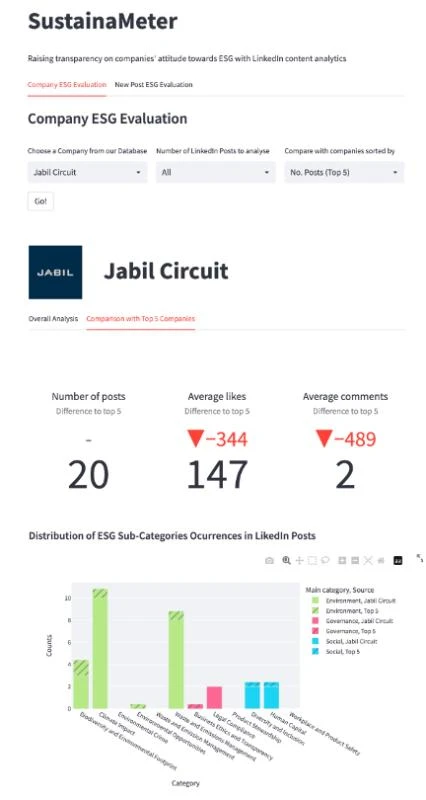
Later that year, SustainaMeter, another project from the team, received an ESG Honourable Mention in the expert.ai Natural Language Hackathon for Good.
Winner
Winner
Natural Language Hackathon for Good
ESG Honourable Mention
Taking it outside the competition bubble
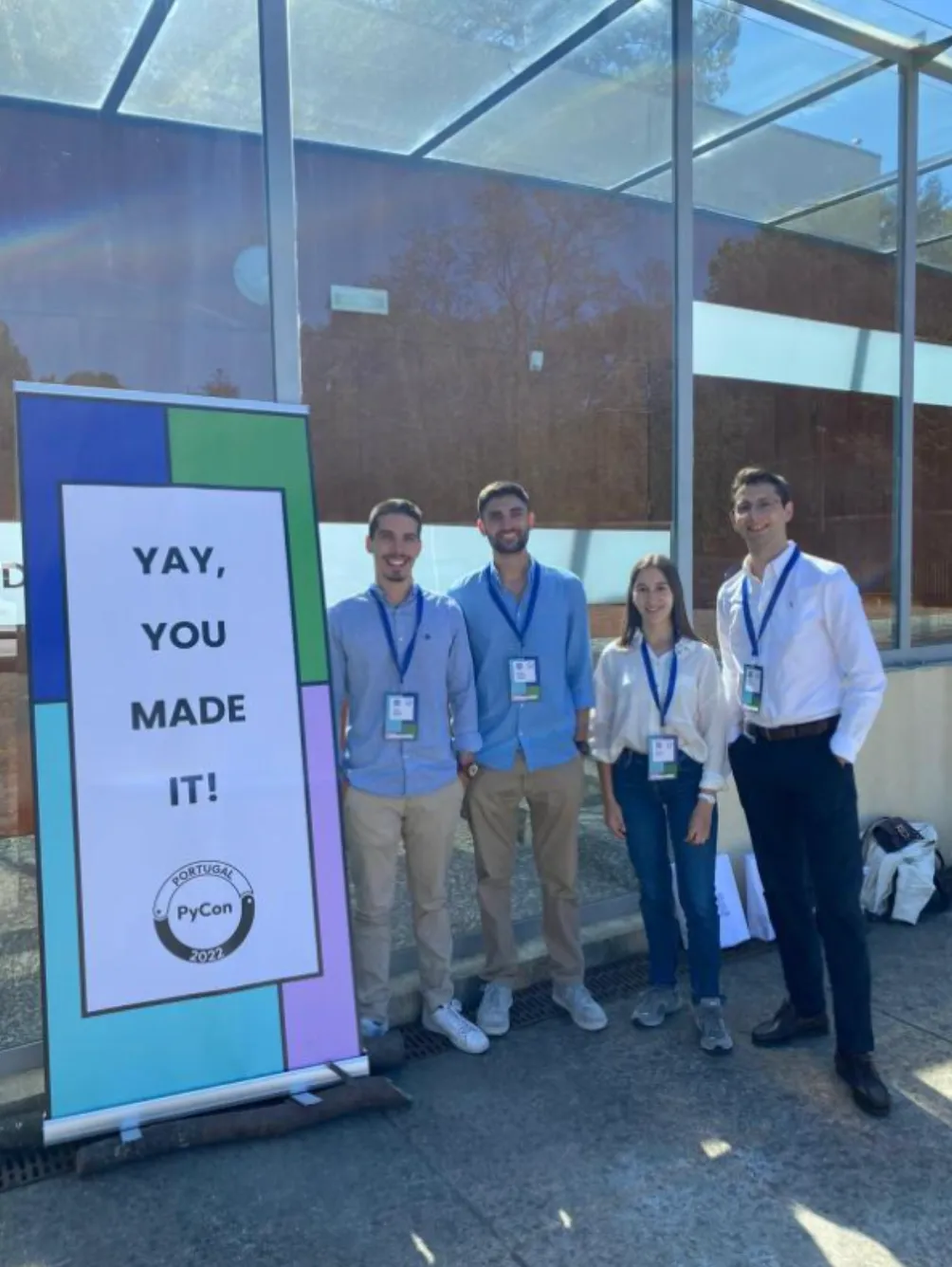
As the work grew, we also started sharing it outside competitions. In 2022, members of the Holin team presented one of our projects at PyCon Portugal.
Then the interesting question changed
After a while, winning competitions stopped being the interesting part. We had built useful things, met people in the sustainability space and learned enough to ask the question that actually mattered:
Was there a real business here?
A few of us started exploring that seriously under Holin.
Instead of immediately forming a company and building yet another product, we started talking to the people who might actually need, buy or fund this kind of work.
A trophy is nice… but a customer is slightly more useful.
Getting out of the data science bubble
I spoke with municipalities in northern Portugal, sustainability consultants, companies in the sector, public-sector decision makers and other people around the sustainability ecosystem.
That included conversations with local government leaders and even a former Portuguese Secretary of State for the Environment.
I also went to conferences, spoke with potential partners and tried to understand where data science could create enough value that someone would actually pay for it. Turns out that last part matters quite a lot!
A market can be too early
What we found was useful, even if it was not the answer we wanted. The problems were real, and there were people genuinely interested in better data, analytics and sustainability tools.
But much of that demand sat around public institutions and sustainability initiatives where budgets were limited, procurement was slow and there simply was not enough willingness to invest in the kinds of solutions we wanted to build.
We could probably have kept finding isolated projects. What we could not find was enough evidence to justify building a company around them.
So we stopped!
Not because the problems disappeared, but because the market was not giving us enough reasons to keep pushing.
What I took from it
A good problem is not automatically a good market
Technical relevance, social importance and willingness to pay are three very different things.
Talk to the market before building the company
Some of the most useful work we did had nothing to do with models. It was talking to the people who would eventually need to fund, buy or deploy them.
Knowing when to stop is part of building
We had competition wins, recognition, contacts and interesting problems. None of those were enough on their own to justify starting a company.
Epilogue
A year later, I went back to the World Data League, this time as a mentor, supporting several teams through the competition, including finalists.