I started by cooking for my dog. Then it became a company.
Building a pet nutrition business from product experiments and food production to brand, software, operations and sales.
Why it started
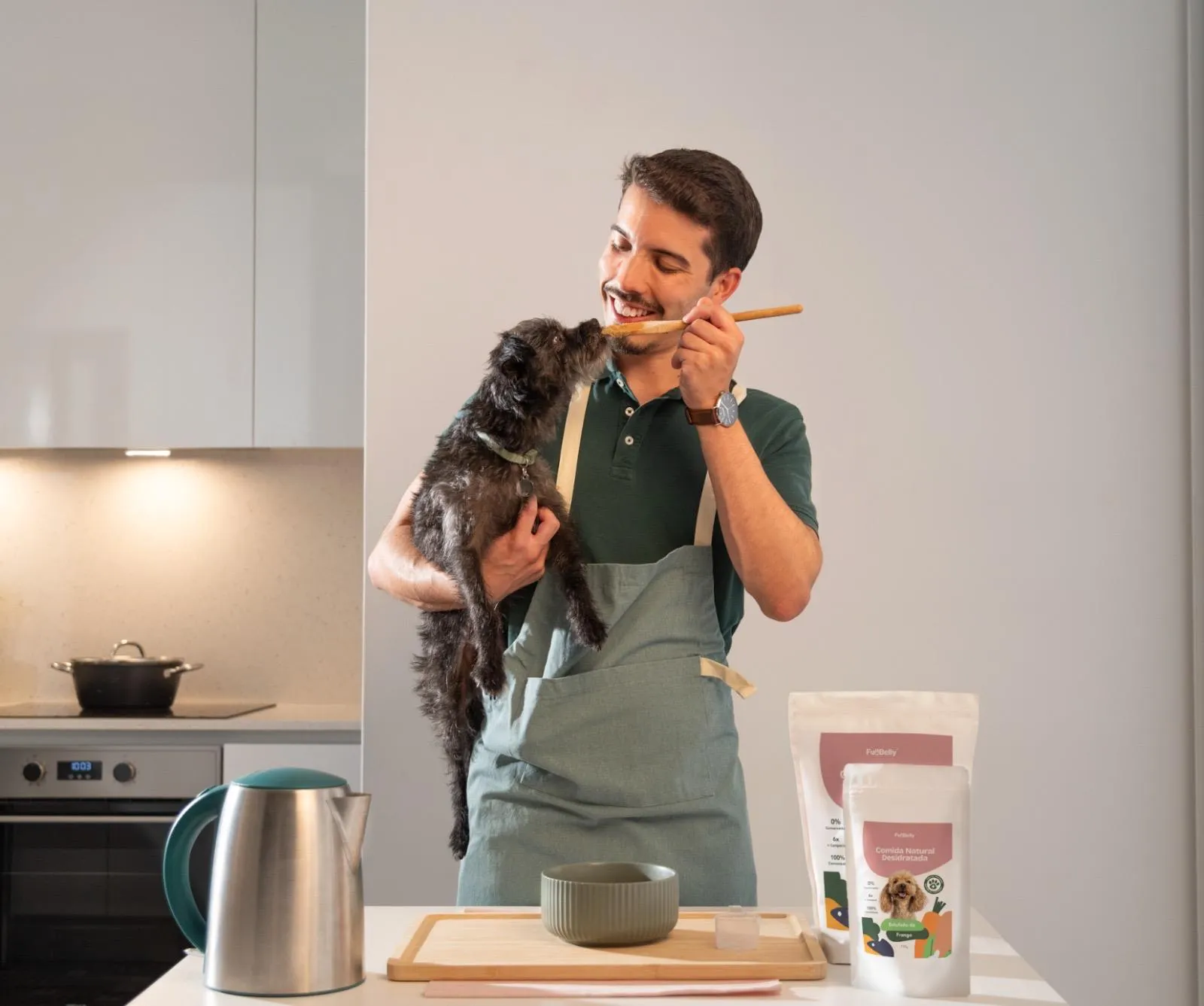
Suki came into my life when she was around five weeks old. She was tiny enough that I had to teach her how to eat and drink, and food stayed difficult as she grew up.
She would refuse kibble, so eventually I started cooking for her myself.
It worked!
But it also meant spending hours preparing meals every weekend, which was slightly less charming…
That led to the original Full Belly question:
Starting on a kitchen table
We bought a small dehydrator and started experimenting at home. First we tried dehydrating prepared food. Then ingredients separately. Then different cooking methods, combinations, textures, granularity and rehydration. Basically, a lot of food going into trays and a lot of us staring at it afterwards.
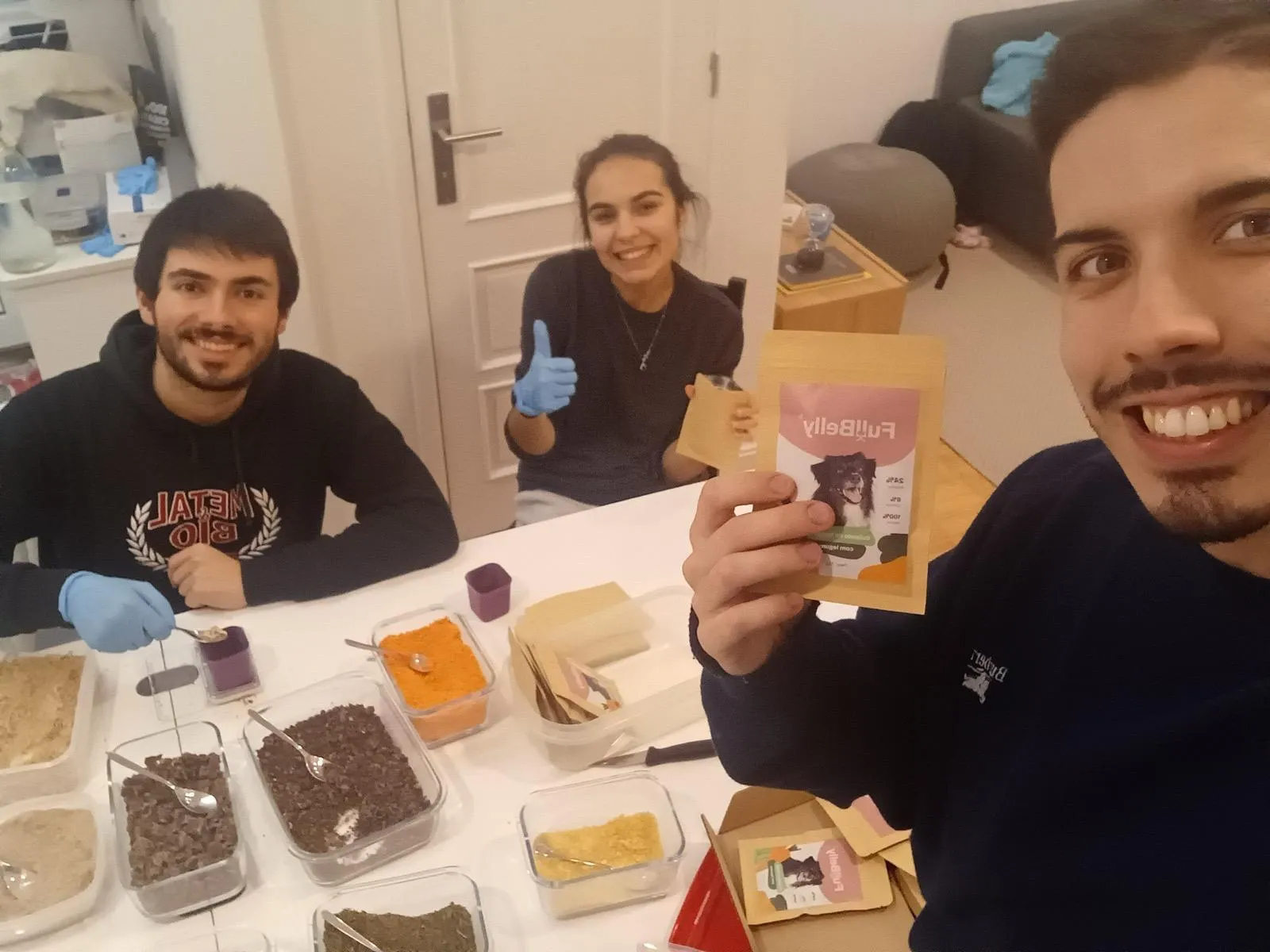
We were trying to understand what could become a real product: how it should feel, how it should rehydrate, how long it should last and how much of the original eating experience we could preserve.
There was no factory, product team or production process yet. Just a hypothesis, a small dehydrator and a lot of trial and error.
Learning the part we did not know
We knew how to experiment with the product. We did not pretend we knew animal nutrition.
For the first official chicken recipe, we worked with a veterinarian with nutrition experience. Later, we started working with a specialist focused more deeply on animal nutrition, who helped formulate the broader range of recipes and products, including the personalized line.
That was one of the moments where Full Belly stopped being “food that works for Suki” and started becoming something we could actually treat as a product.
Building a food company is mostly not about food
Turning the idea into a company meant discovering a very long list of problems that had surprisingly little to do with cooking:
- legal company constitution
- suppliers;
- ingredient quality;
- packaging;
- production yields;
- shelf life;
- equipment;
- industrial licensing;
- logistics;
- e-commerce;
- customer support;
- retail conversations;
- marketing;
- commercial partnerships;
- cash flow.
Finding a suitable licensed production space became a project in itself.
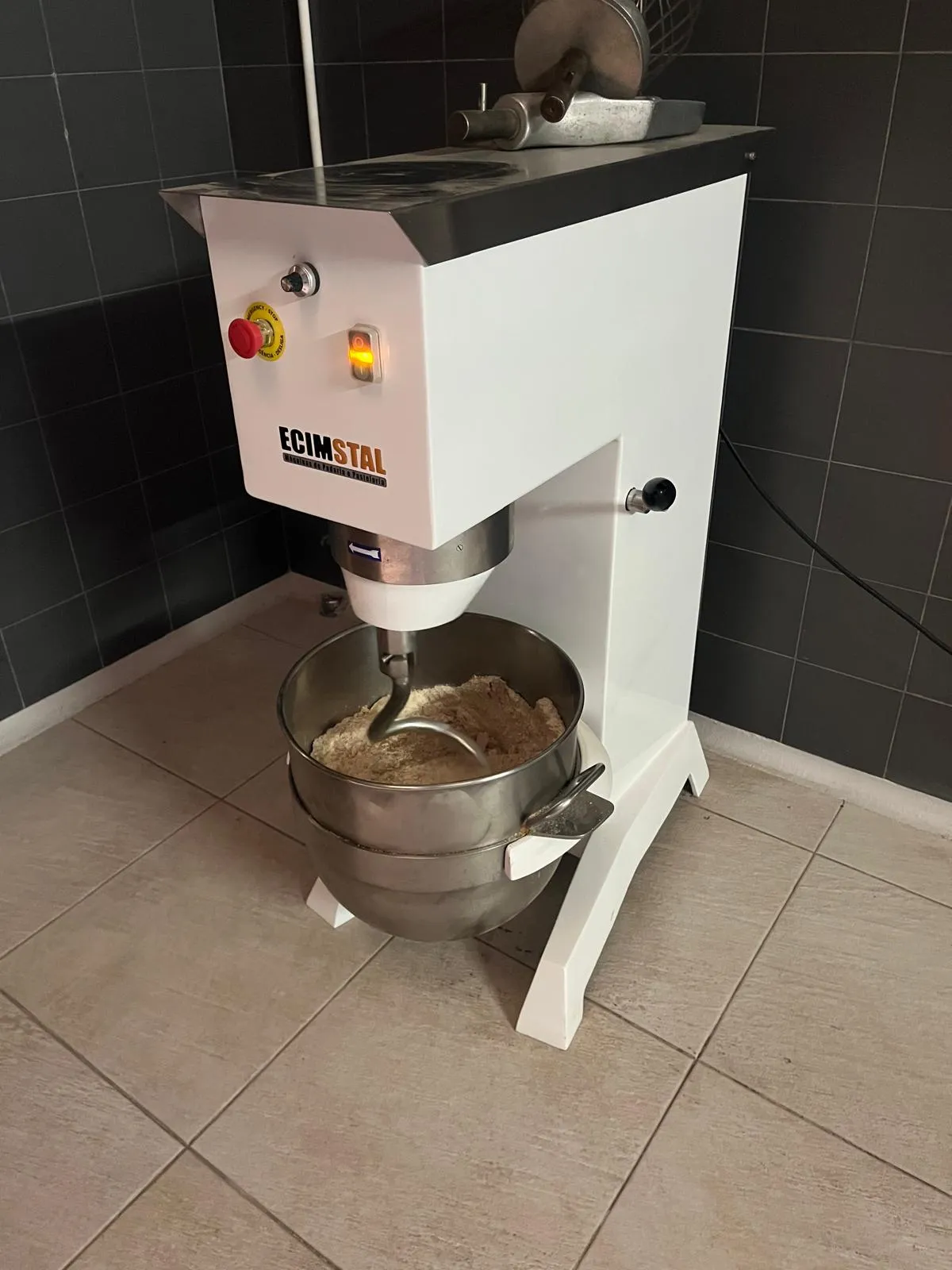
We eventually set up production in Amarante and started buying equipment to move beyond small-batch experimentation.
At the same time, we kept experimenting with what the product could become, including formats beyond the original meals.
Turns out building a food company involves a lot more spreadsheets than recipes.
Somewhere between Shopify and a food dehydrator
I also ended up owning much of the technology around the company, which included rebuilding websites, moving the store from Wix to Shopify, creating the frontend for the personalization experience, and building the API and logic behind the personalization engine.
Full Belly became one of the few projects where I could spend the same week thinking about suppliers, production, Canva, Shopify, algorithms, packaging and customer conversations.
Learning marketing the uncomfortable way
I had spent most of my career building technical systems. Full Belly forced me to learn how to make people care about one.
We experimented with social content, professional photography and video, influencer seeding, partnerships, physical events and a lot of ideas that sounded slightly better before we had to execute them.
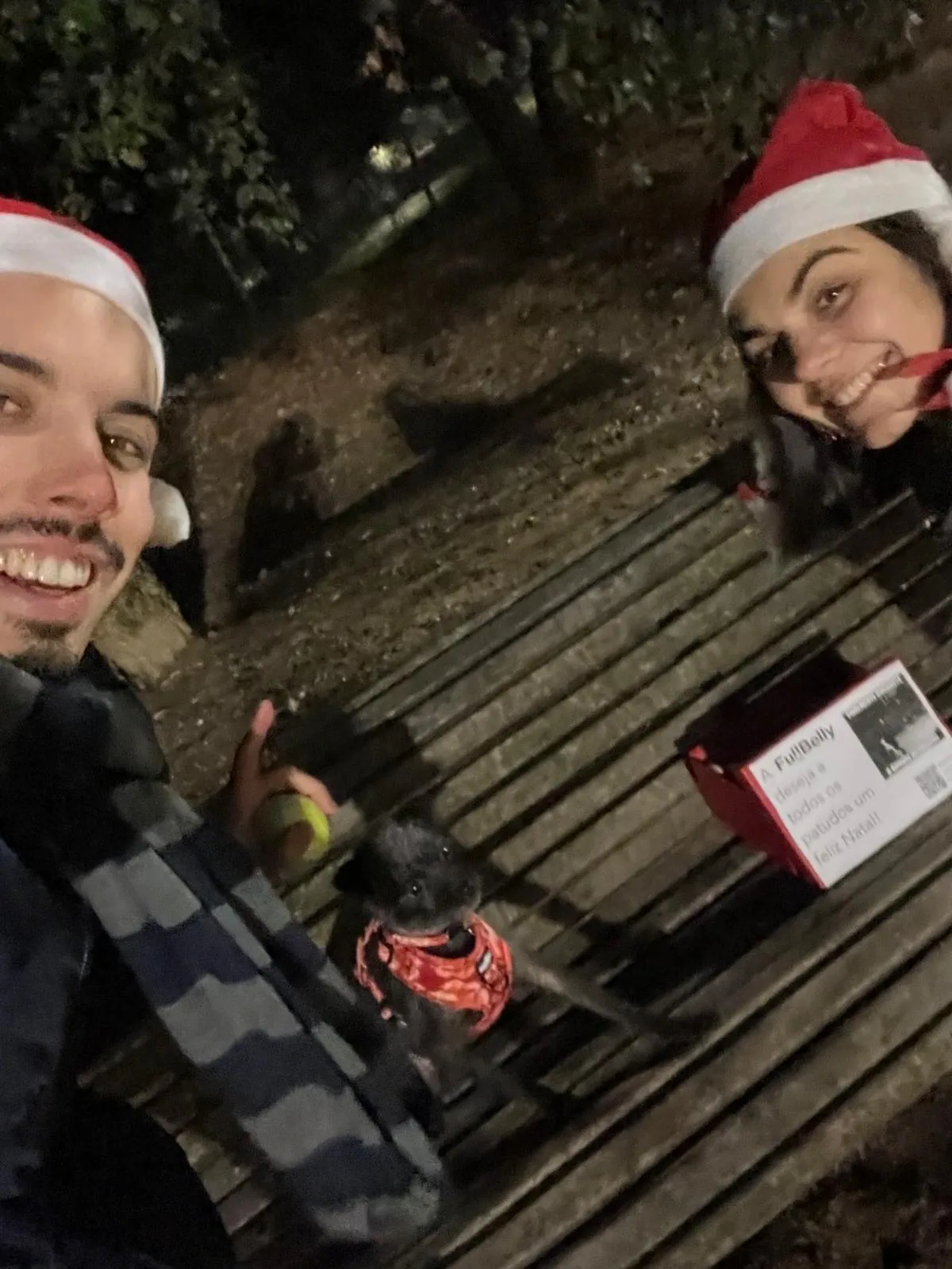
One Christmas Eve, that meant leaving a box of dog gifts in a dog park at midnight as part of a campaign.
At other times, it meant standing at a fair from morning until night explaining the same product hundreds of times.
I also learned much more hands-on design and content work than I ever expected, from Canva and video editing to e-commerce presentation.
Three days on a stand teaches you things analytics cannot
We went to fairs and industry events in Portugal and abroad. Some were commercial, others were mostly about learning.
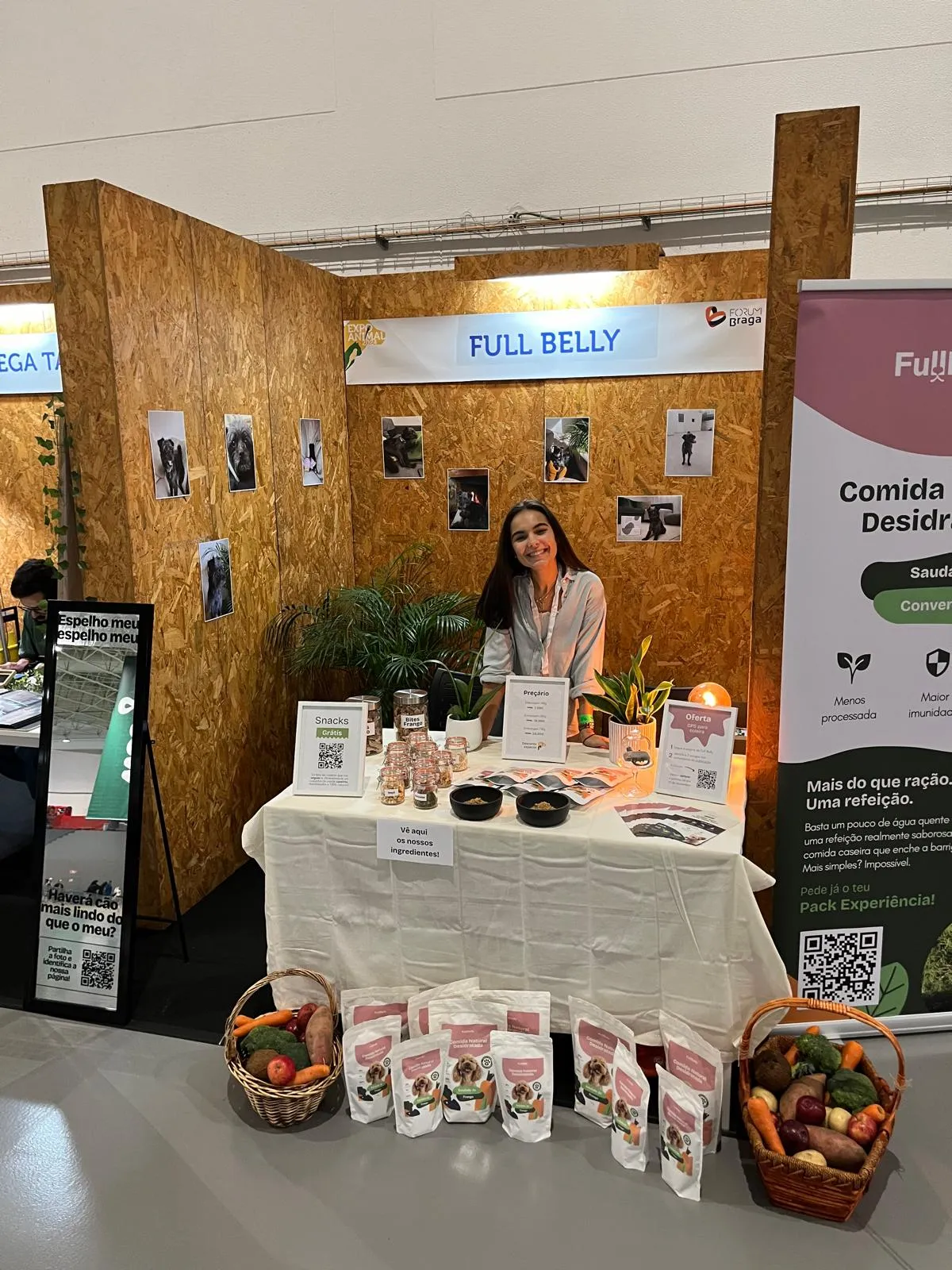
That meant long days talking to dog owners, retailers, suppliers, founders and other people in the industry.
Those conversations became one of the best sources of product and positioning feedback because people are remarkably good at showing you which parts of your story make sense and which ones only make sense inside your own head.
A few hours talking to customers could undo weeks of internal certainty. Very efficient.
From a product to a startup
As the company matured, I also had to learn the startup side properly:
- pitching;
- incubators;
- investor conversations;
- grant applications;
- partnerships;
- go-to-market;
- fundraising trade-offs;
- company building.
I presented Full Belly at several events, joined entrepreneurship programs, had serious conversations with angel investors and VCs, and became part of startup and incubation ecosystems that were completely new to me when the project started.
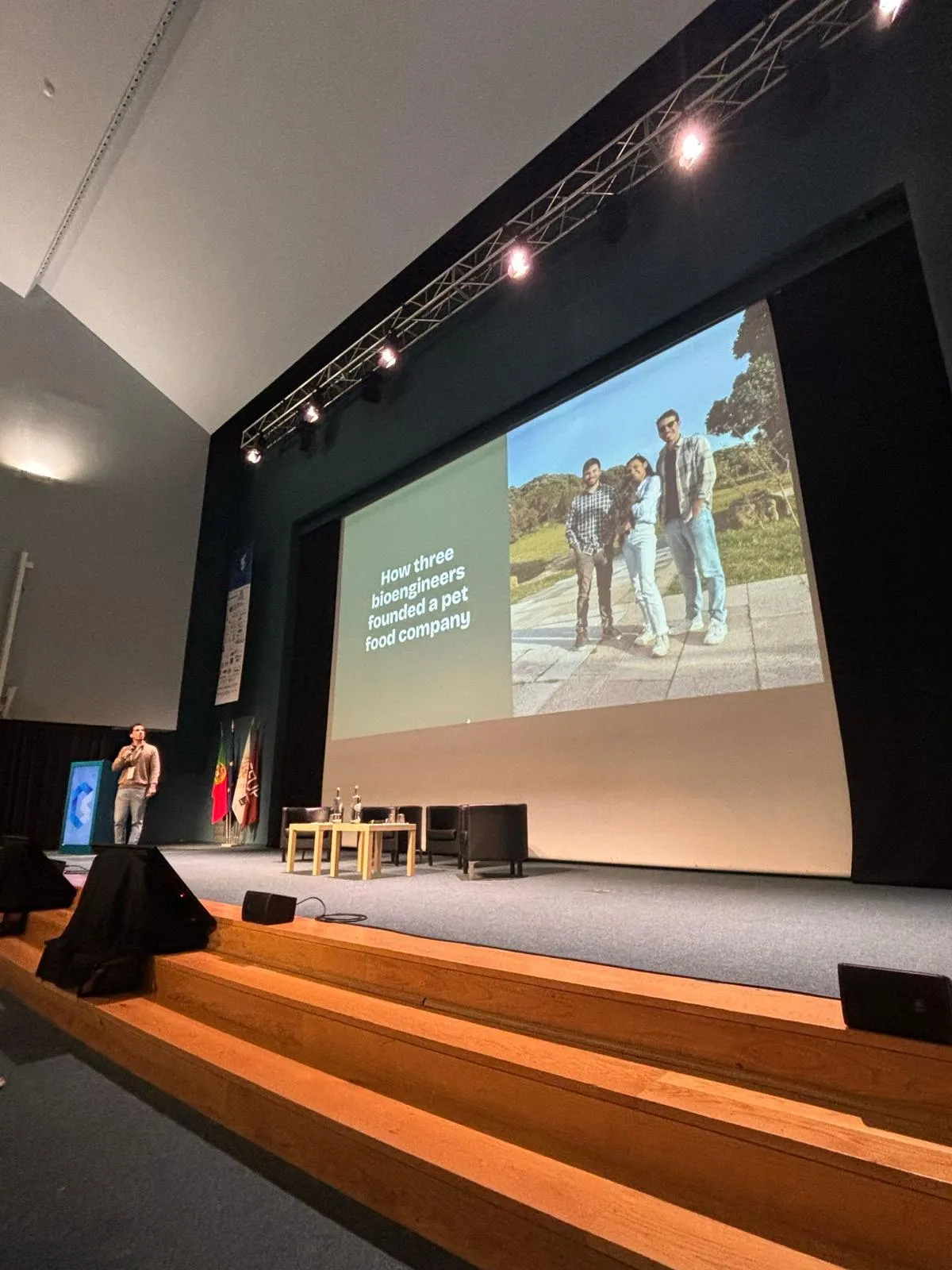
That included programs such as Big Bang Bada Boom by Founders Founders, and recognition like the Prémio Empreendedorismo e Inovação Crédito Agrícola.
Going from cooking for one dog to pitching a pet food company was not exactly the original plan, but here we are.
Where it is now
Full Belly is still alive and still evolving, but at a slower pace due to my other “company” growing, which means my family.
What started as a way to make natural food practical for one dog became a real product, a production operation and a brand used by paying customers.
Today, the business includes dehydrated meals, functional products and personalized nutrition concepts, with the broader ambition of making natural pet nutrition easier to adopt.
The most current version of it is on the site and on Instagram.
Suki still gets to claim she was employee zero.
What I learned
Building from zero means doing the unscalable work
There is a huge distance between an idea and something customers can actually buy. Most of that distance is made of boring, manual work that nobody puts in the pitch deck.
A company is a system, not a product
Product, production, suppliers, logistics, marketing, software and cash flow all constrain each other. Improving one part can easily create a new problem somewhere else.
Talking to customers changes the product faster than another week of planning
Fairs and direct conversations repeatedly exposed assumptions we would not have noticed internally. People are very good at ruining a beautiful theory.
Technical skills transfer surprisingly well
Software did not teach me how to produce food, but decomposition, experimentation, measurement and iteration transferred much better than I expected.
Entrepreneurship changed how I think about engineering
After building something where every technical decision eventually becomes a cost, an operational constraint or a customer experience, I stopped seeing engineering decisions in isolation.